Category Archives: Blog posts

May 14, 2014 Interview with GDF Chief of Staff, Brigadier Mark Phillips

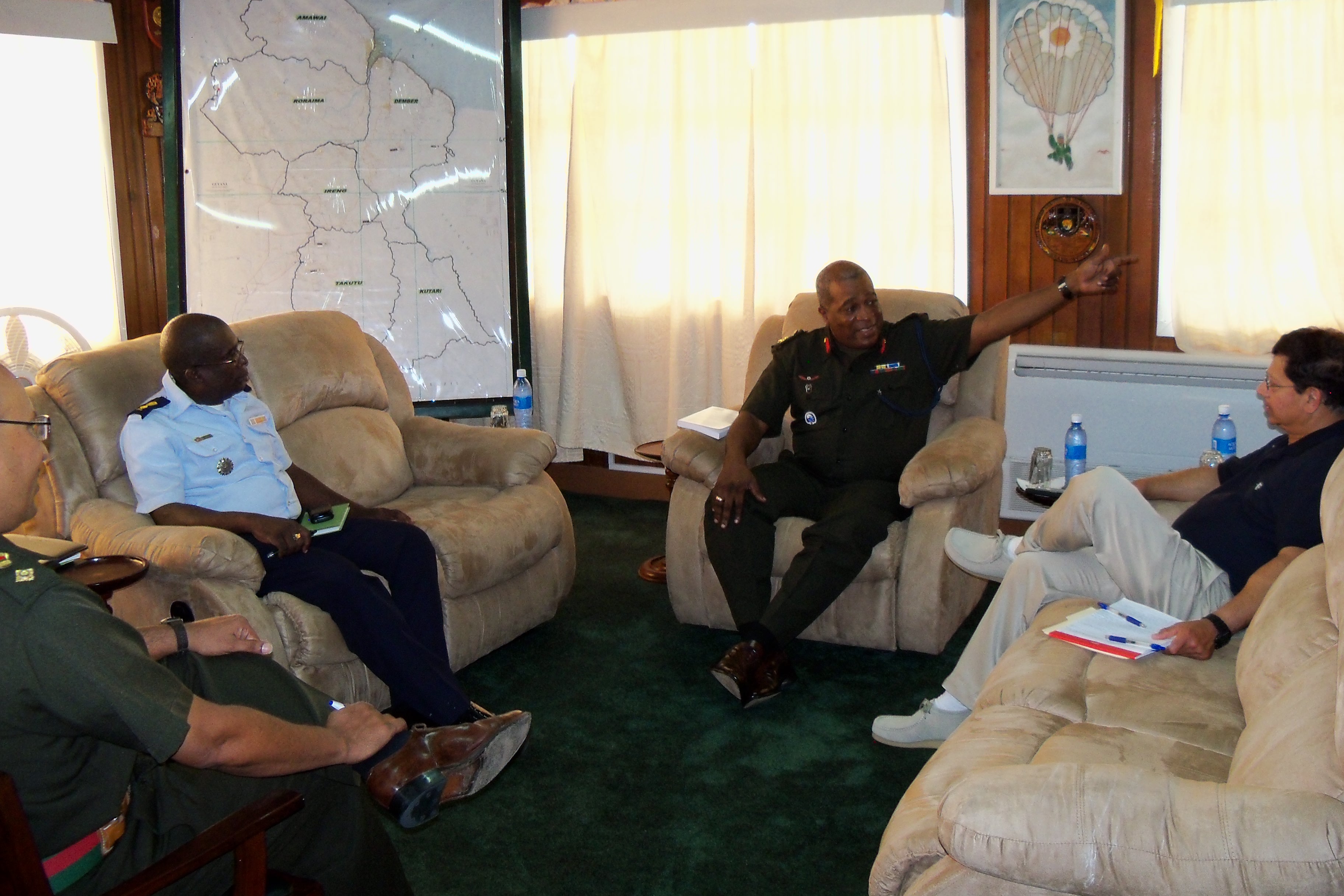
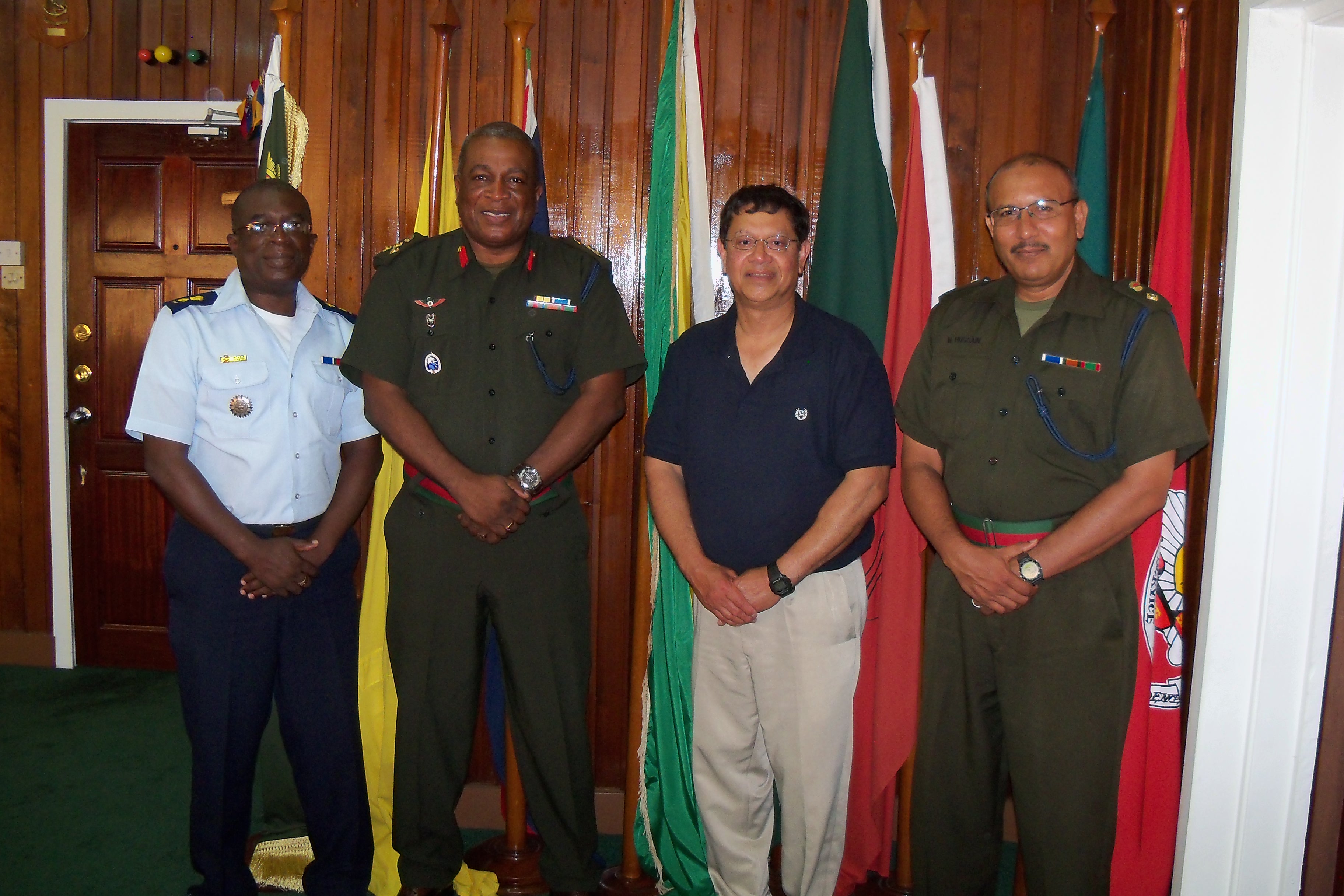
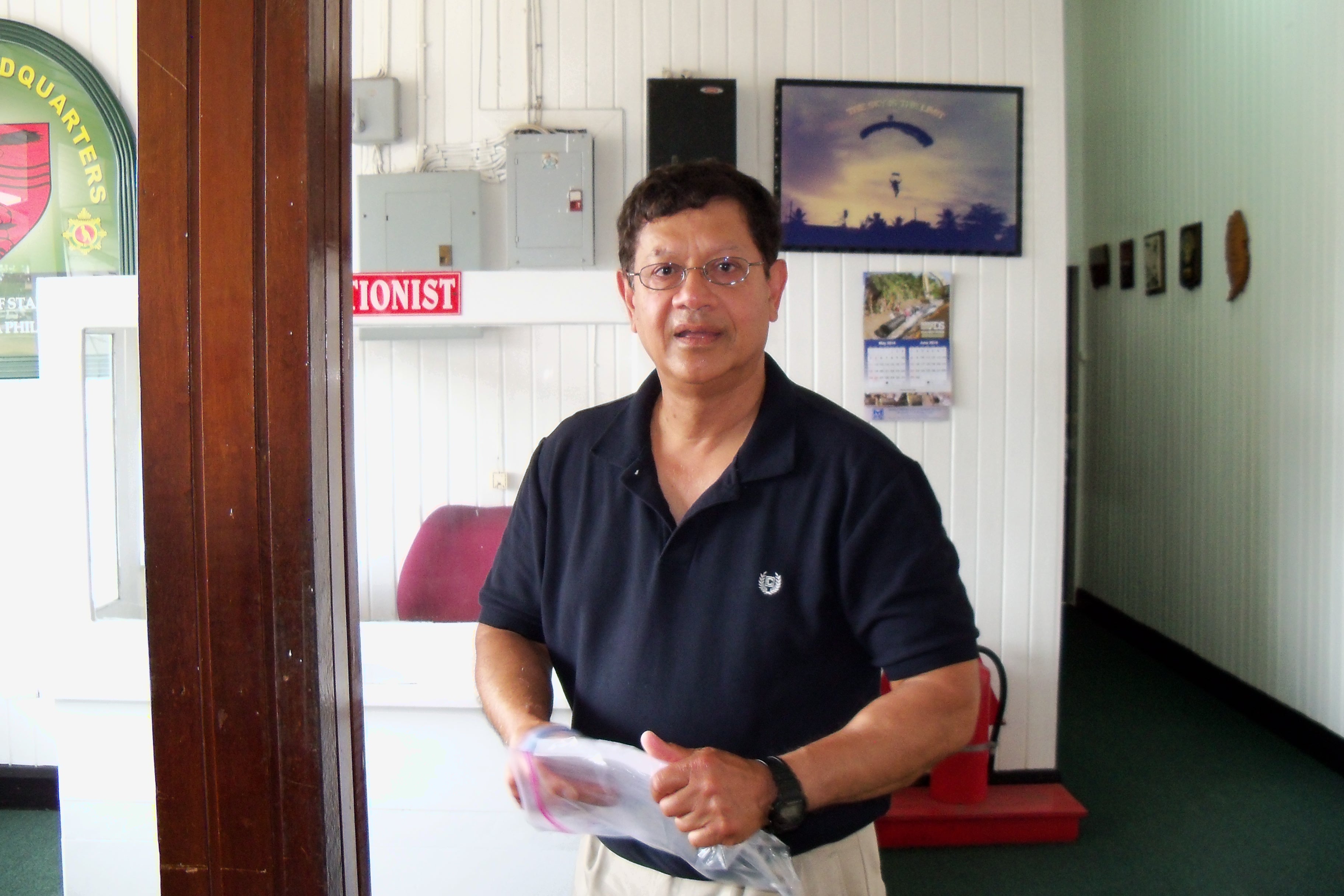
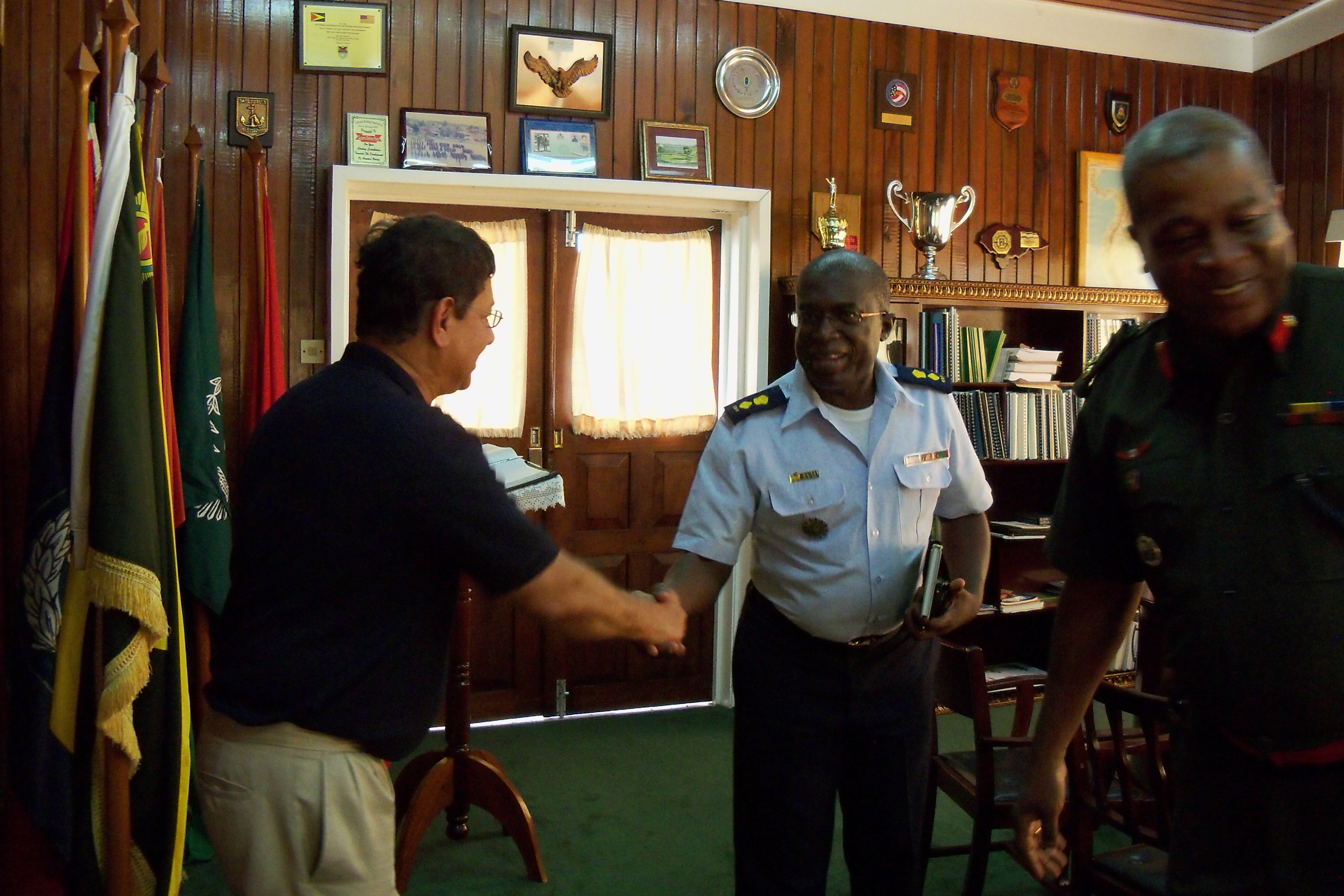
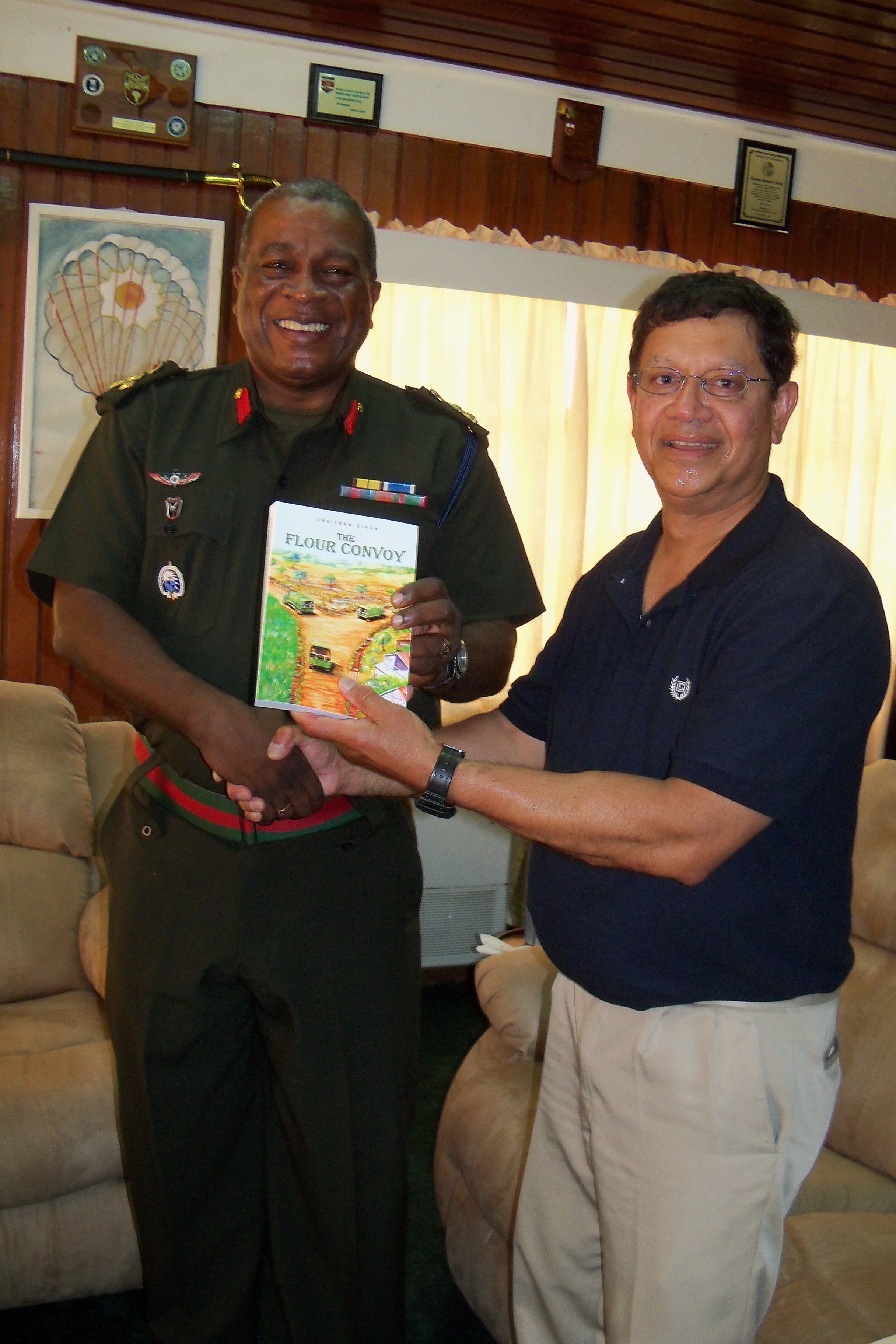
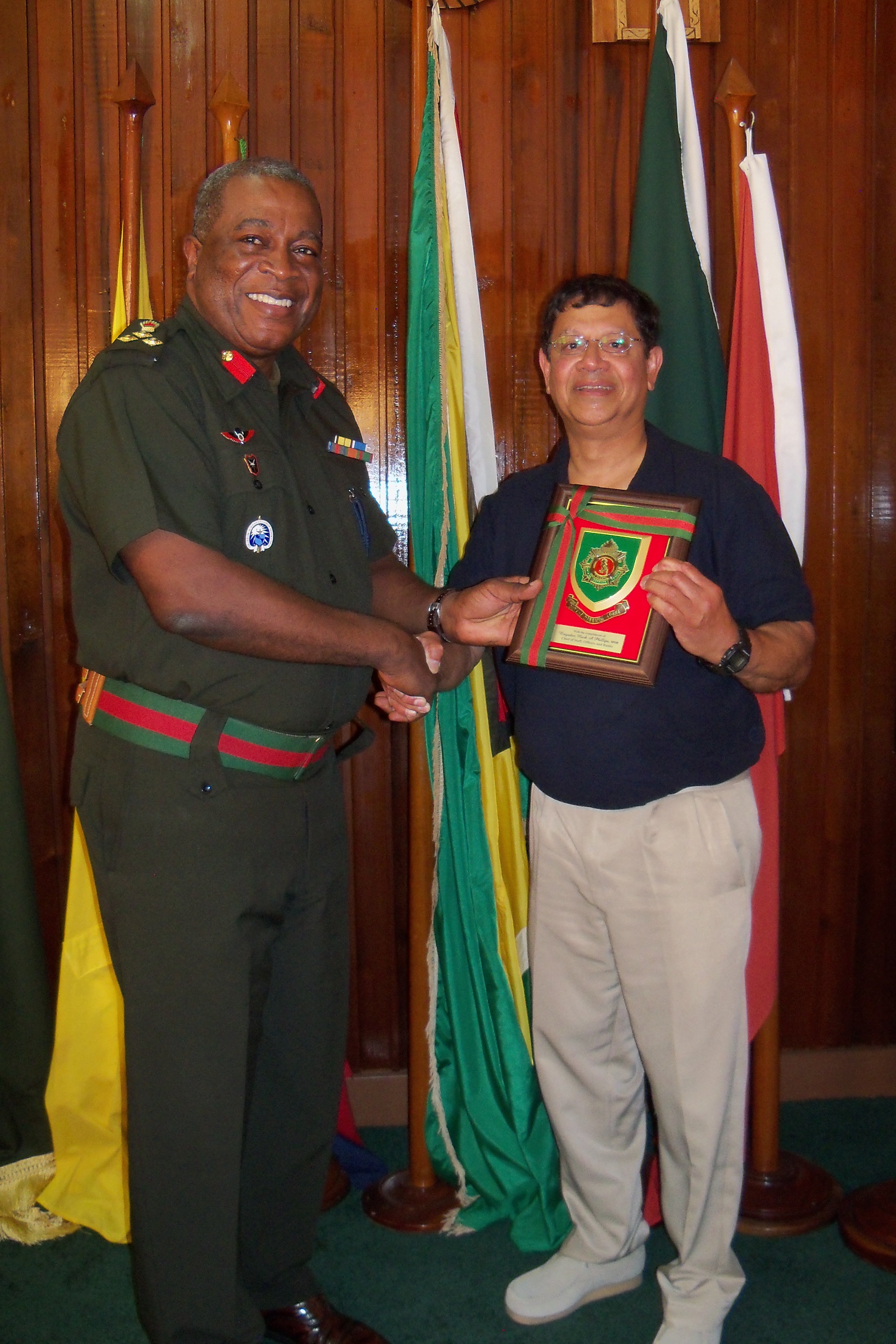
My interview with Chief of Staff Brigadier Mark Phillips, MSM, took place at GDF Headquarters, Camp Ayanganna on Wednesday, May 14. Lt. Col. Nazrul Hussain and Lt. Col. Cargill Kyte were also present. The visit lasted two and a half hours, during which, Lt. Col. Hussain raised the possibility of my lecturing to the officers in the Senior Command Staff course, which had just commenced at Timehri. The Chief of Staff also urged my participation, which took place the following day.  Brigadier Phillips also aked Colonel Kyte to arrange for my visit to New River.

100_3378100_3372100_3381100_3364100_3368100_3371100_3380Plaque

Senior Command Staff Course

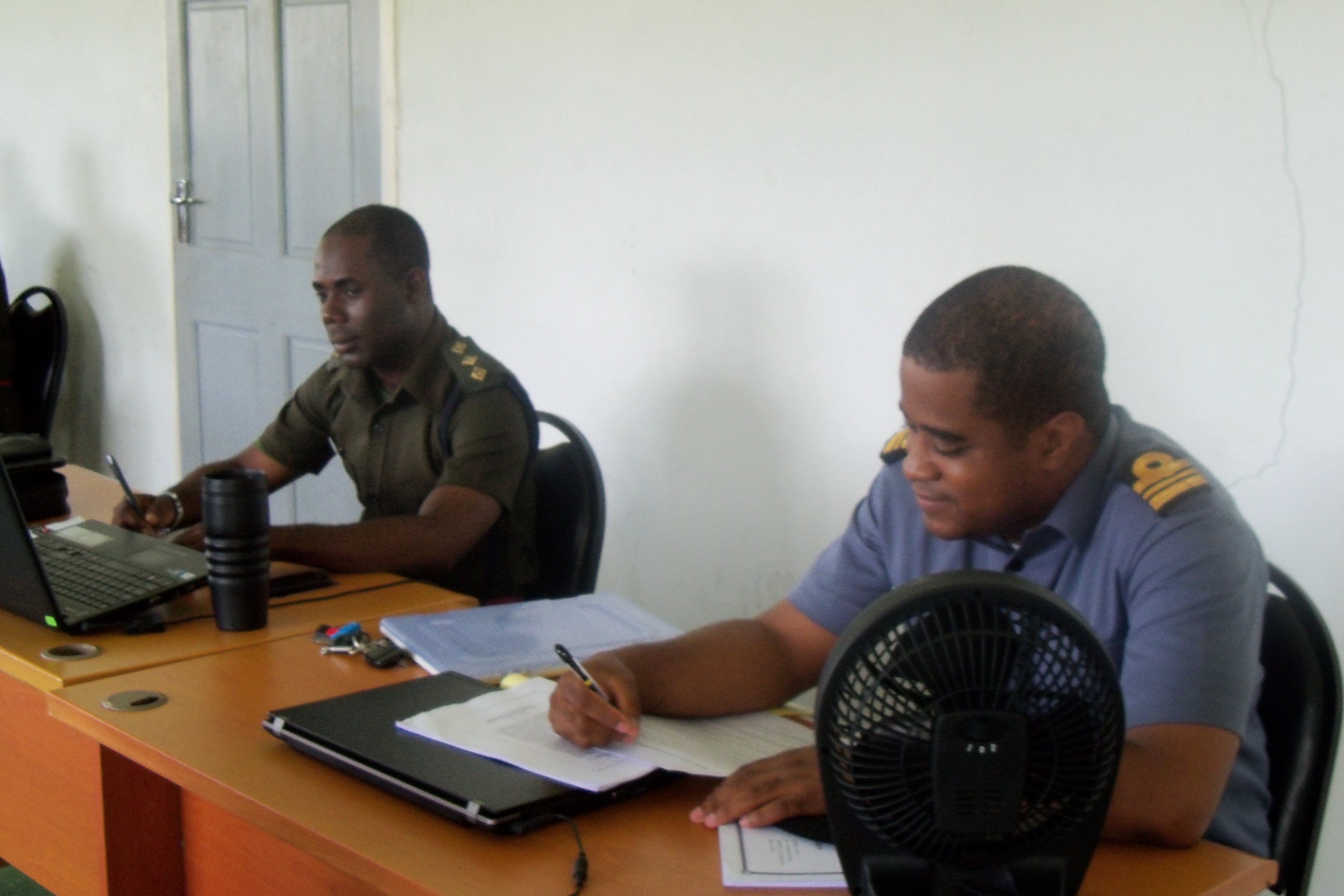
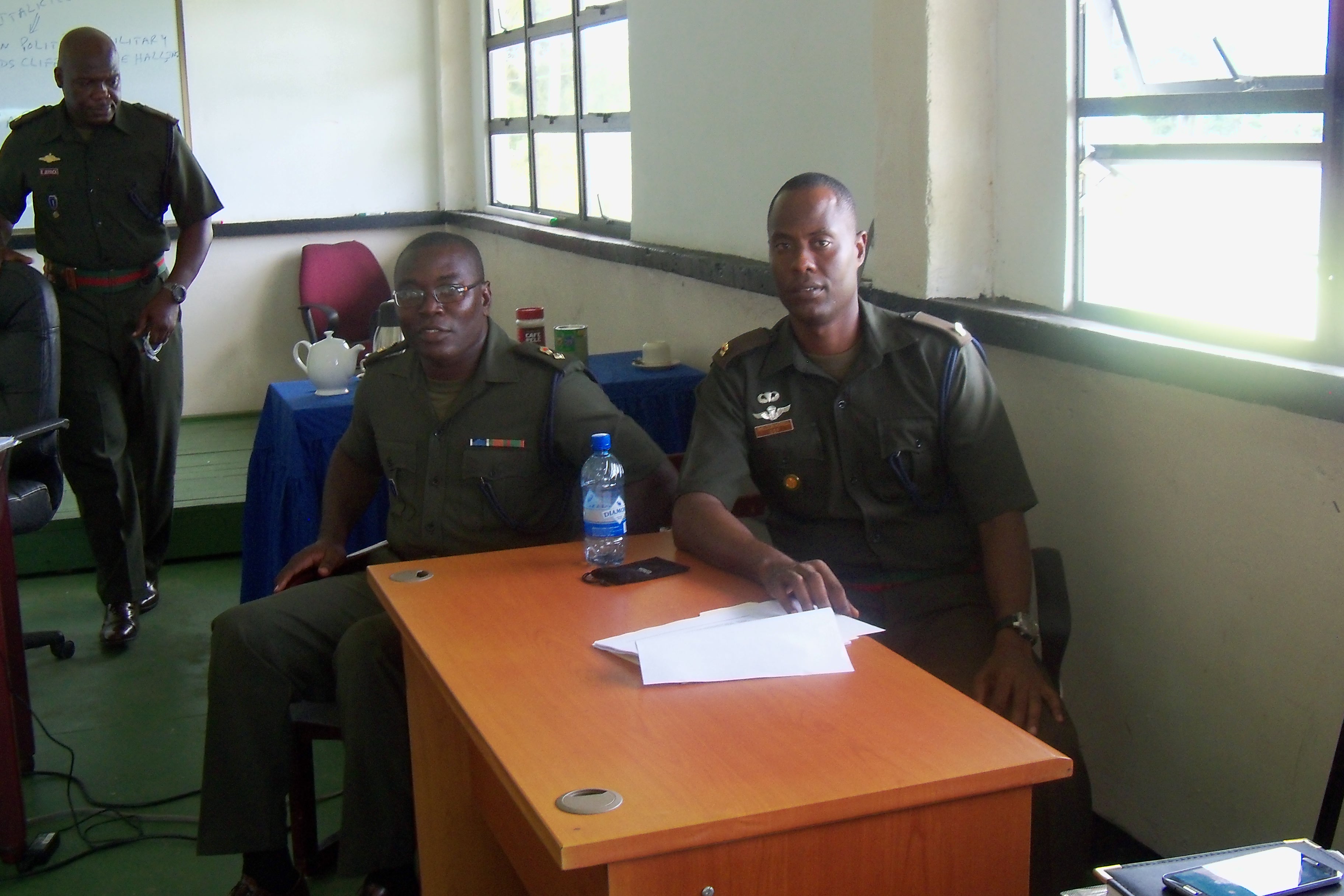
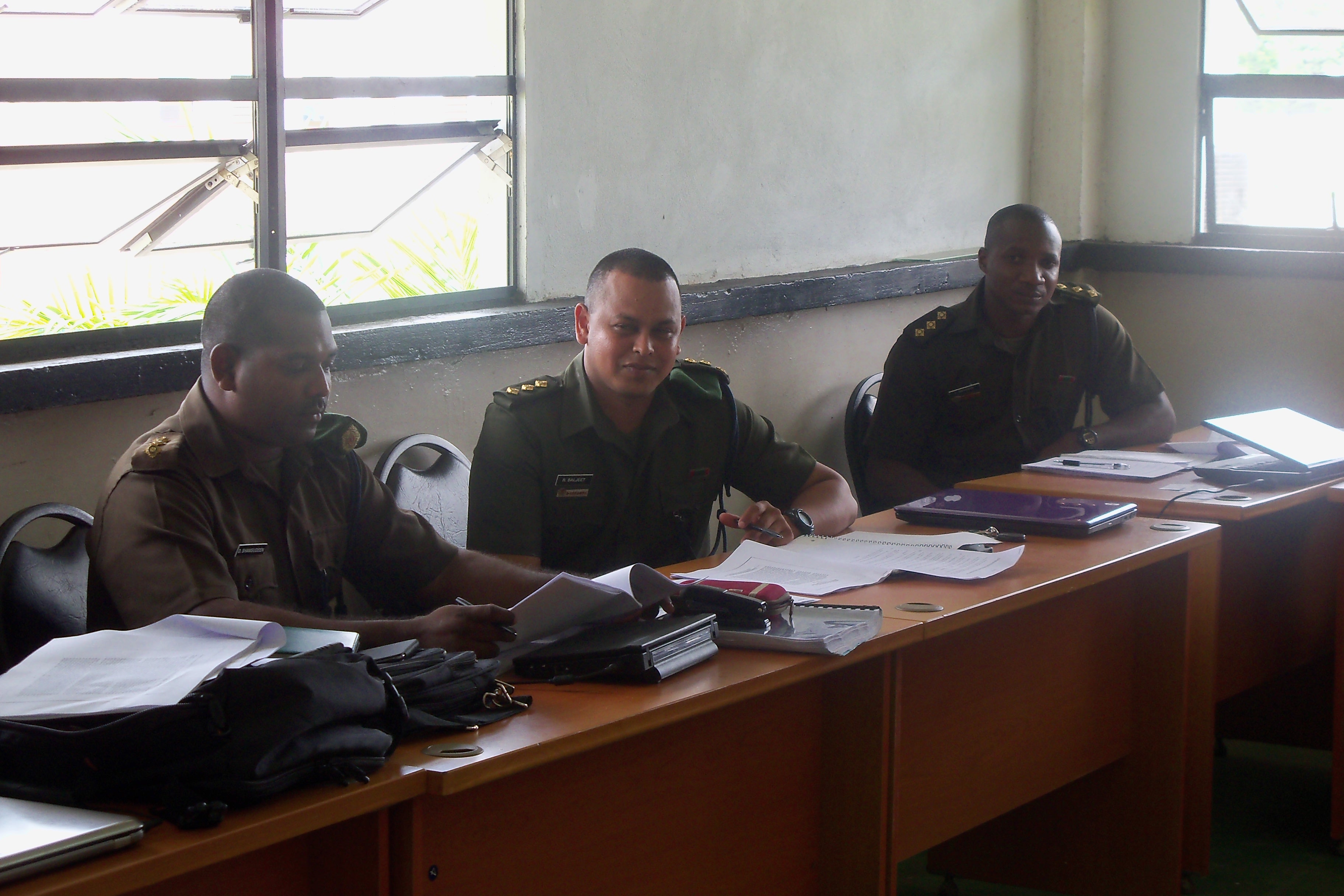
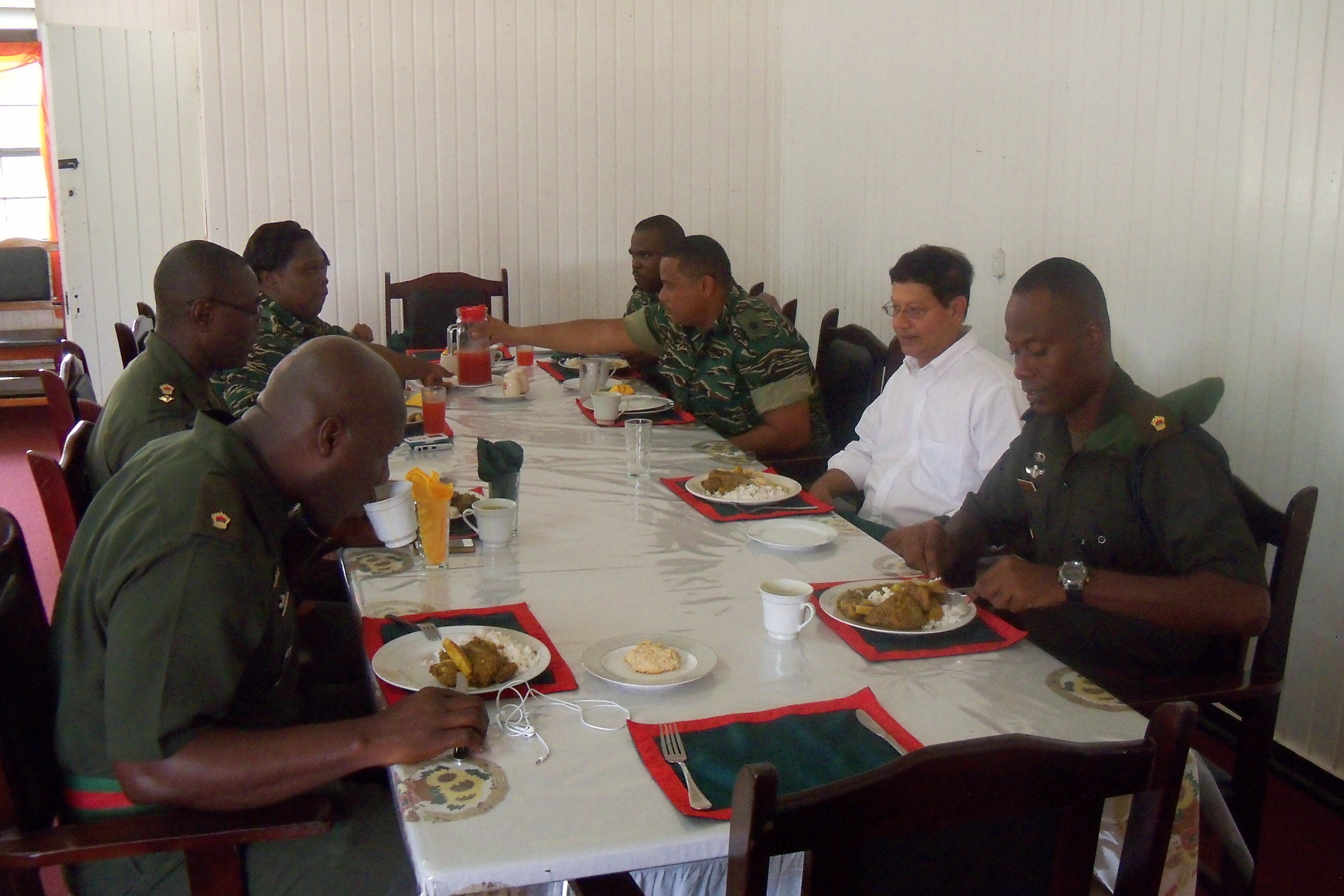
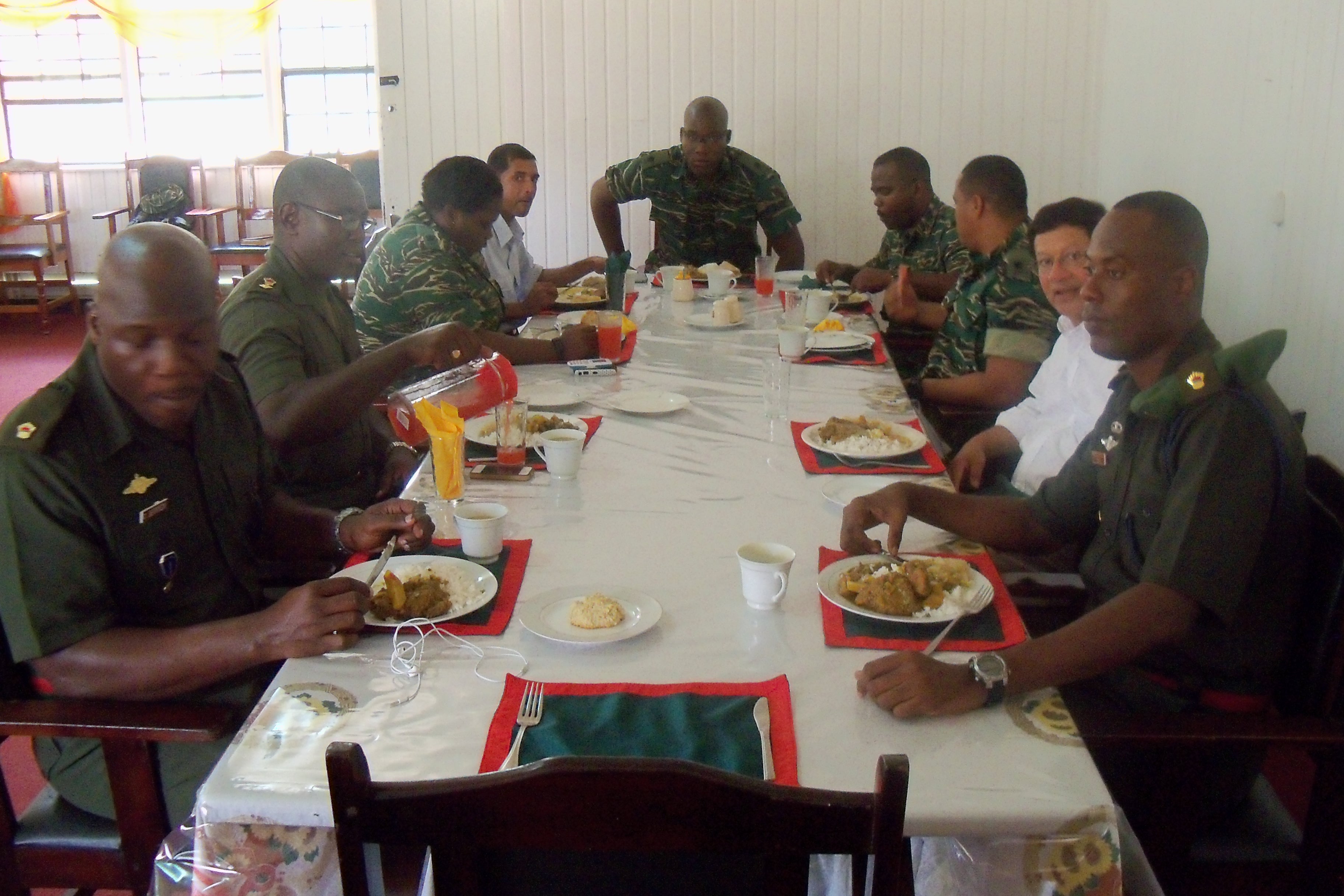
During my interview with Chief of Staff Brigadier Mark Phillips, Colonel Hussain suggested I make a presentation to the officers taking the Senior Command Staff Course at Camp Stephenson, Timehri. Brigadier Phillips thought it was a good idea, and I was scheduled to speak on “The Role of the Military in a Democracy,” the next day. However, on the recommendation of Lt. Colonel Kenlloyd Roberts, Officer in Charge of the Staff Course, I conducted a seminar on thesis preparation on Thursday, May 15. It was a highly interactive session and, at the conclusion of the seminar, Colonel Roberts invited me to lunch with his staff at the Officers’ Mess, Timehri. In rather familiar surroundings, we engaged in a lively discussion on issues relating to Guyana’s national security. 100_3466 100_3472100_3473100_3467100_3471100_3474100_3470100_3468100_3466100_3477100_3481100_3481

Reading: Georgetown Public Library (May 14, 2014)

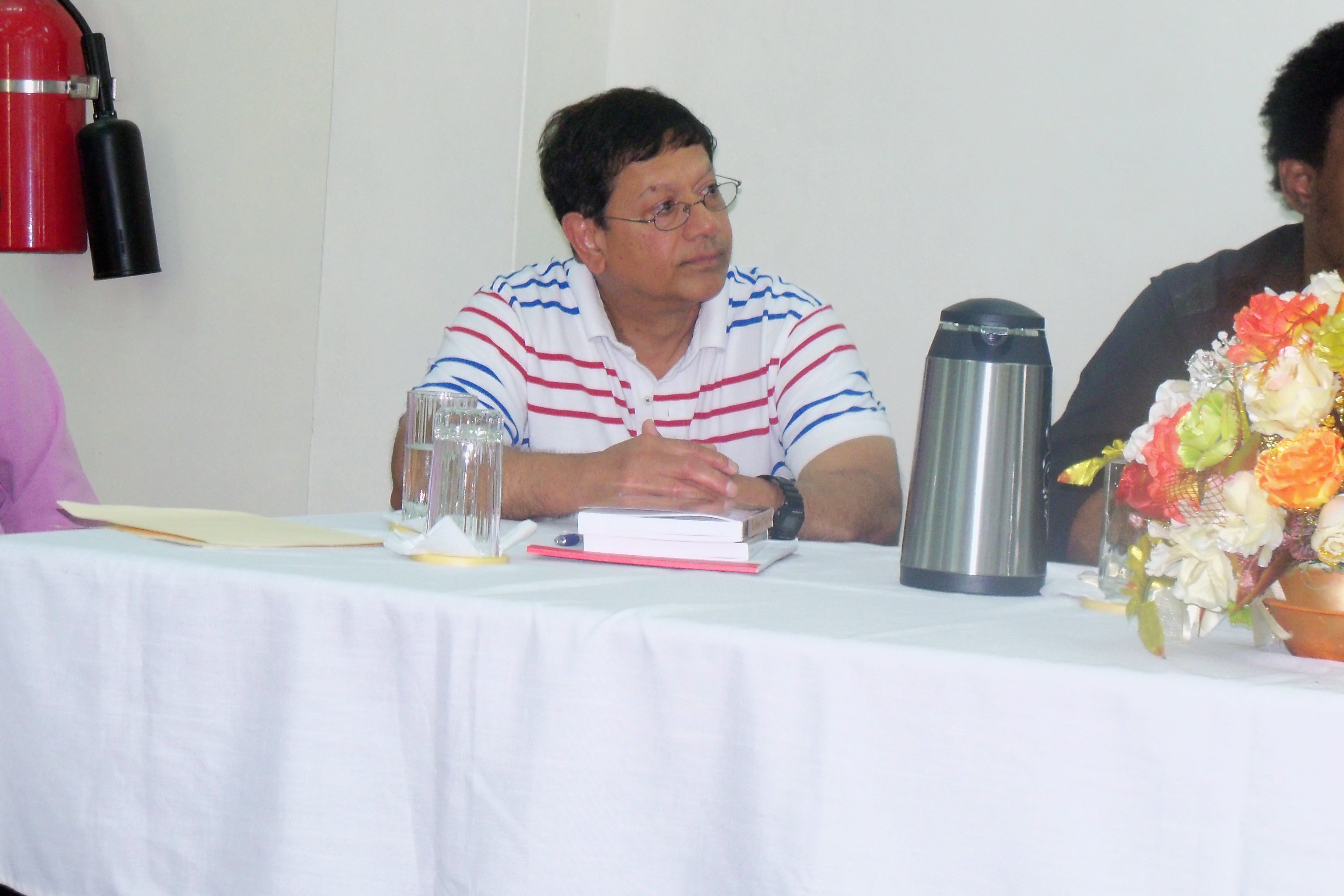
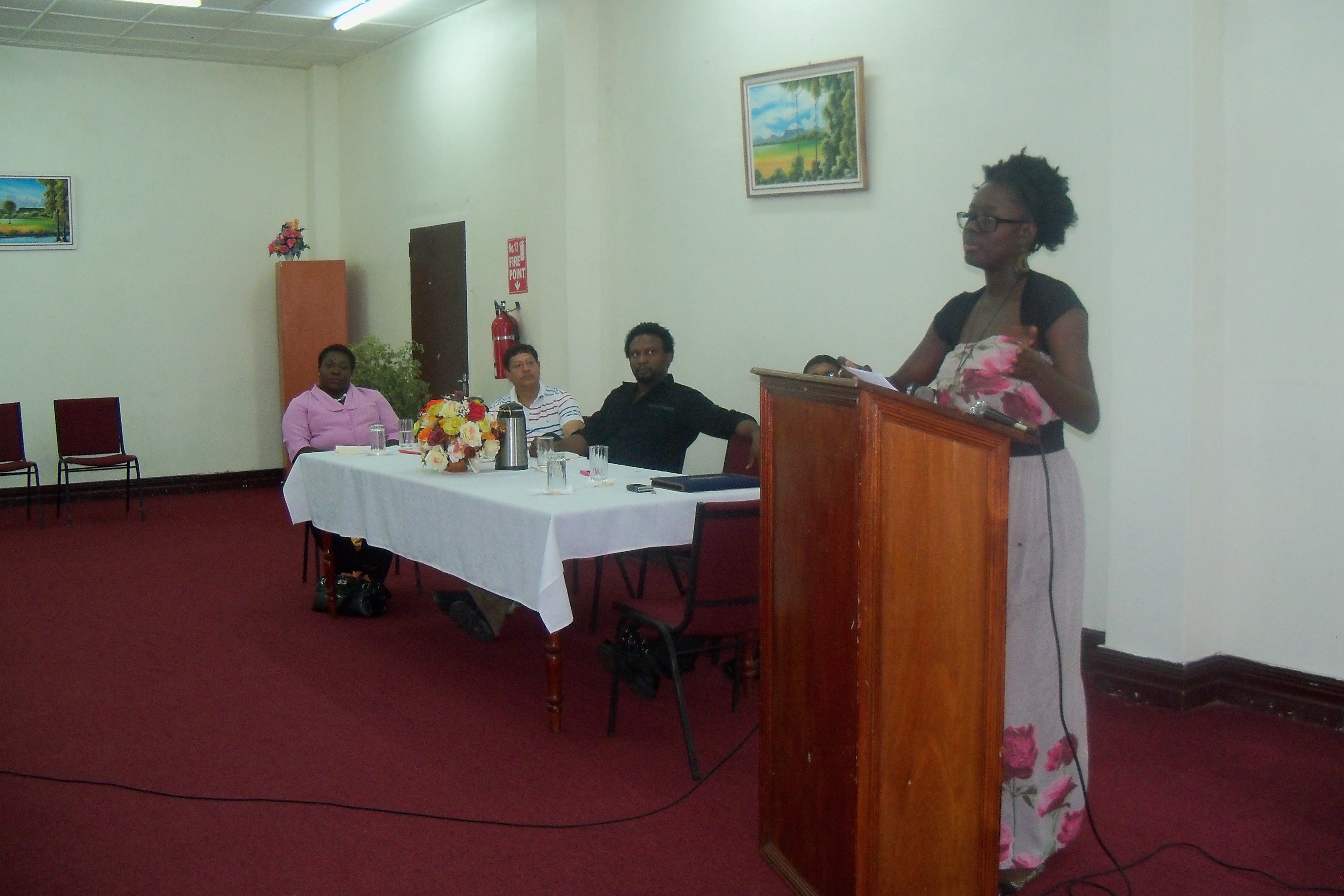
The Georgetown Public Library hosted a reading by winners of the Guyana Prize for Literature. The proceedings were chaired by Mr. Petamber Persaud and included comments from the Chief Librarian. I read excerpts from both novels, The Flour Convoy and The February 23rd Coup. Following the reading, we responded to questions from the audience. The event was reported on in the Guyana Chronicle.100_3432100_3419100_3455100_3416100_3412100_3386100_3441100_3432100_3388

May 17th 2014 Visit to the New River Triangle

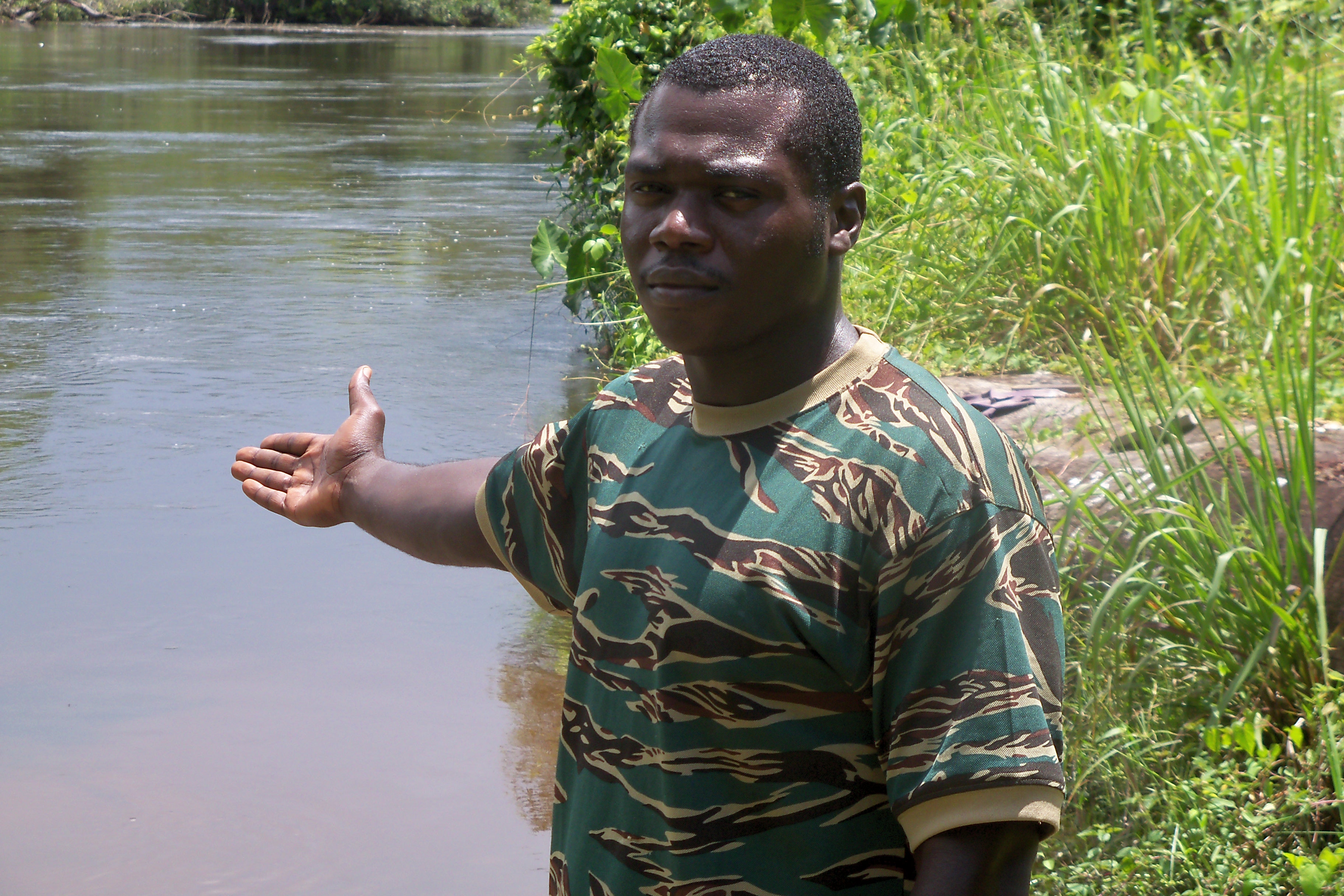
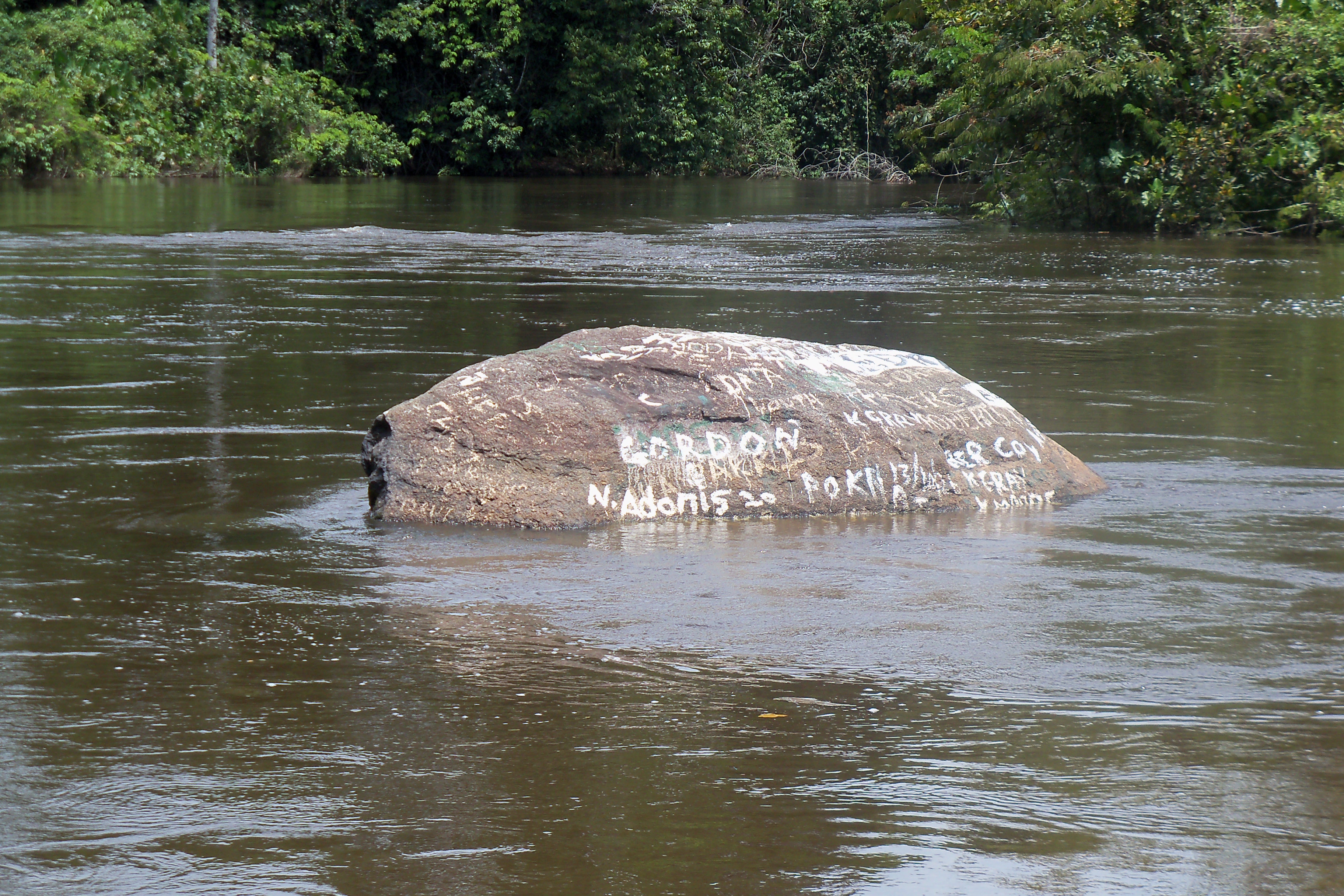
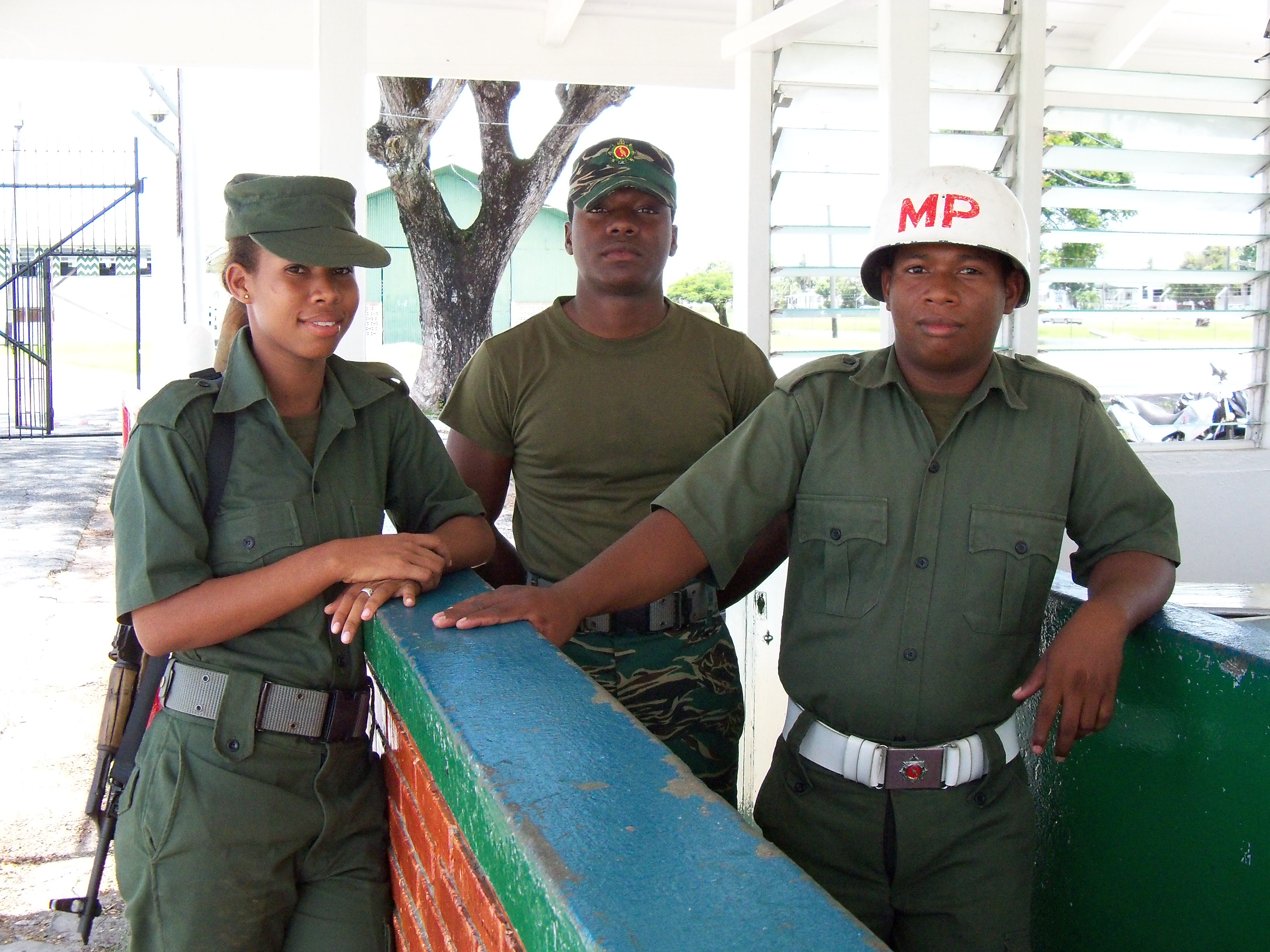
My visit to the New River Triangle was arranged by Chief of Staff Mark Phillips, with the imprimatur of President Donald Ramotar. Since there was no flight scheduled for Camp Jaguar that week, a special charter was arranged with the Air Services LTD. I flew out of the Ogle Aerodrome on what turned out to be an hour and a half flight. Lieutenant Eastman, the Camp Commander, gave me a guided tour of the camp and briefed me on the defenses in place.100_3518100_3516100_3519100_3525100_3527100_3531100_3526100_3513

The Flour Convoy wins the 2012 Guyana Prize for Literature: Best First Work of Fiction

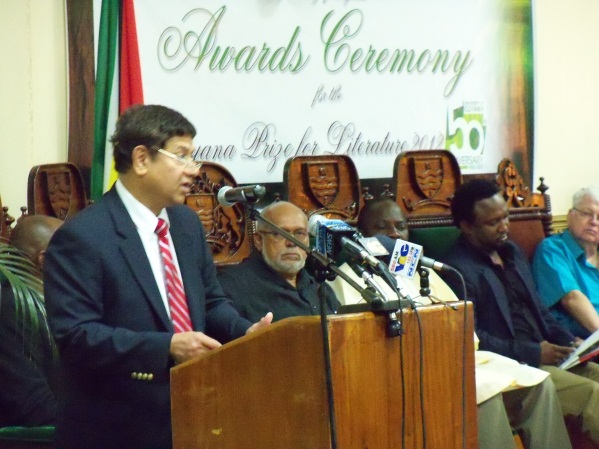
100_2774 Singh2100_2780  100_2799 100_2814 100_2827 100_2828100_2839

Werst Point

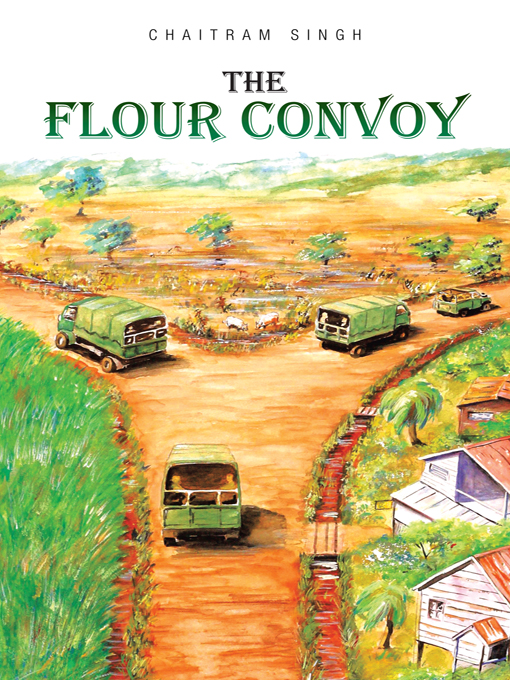
The Flour Convoy

“The Flour Convoy” is a masterful weave by a writer skilled in his craft, and the reader is at once captivated and repelled by the tapestry of corruption, brutality, greed, and lack of concern for common people. A must read for anyone interested in post-colonial literature and Caribbean literature in particular.

Sarah Sooknanan

Reprinted from the Guyana Chronicle Online

The Shaping of Guyanese Literature… : The 2012   Guyana Prize for Literature (Part I)

Professor Frank   Birbalsingh

Saturday, 28 September   2013

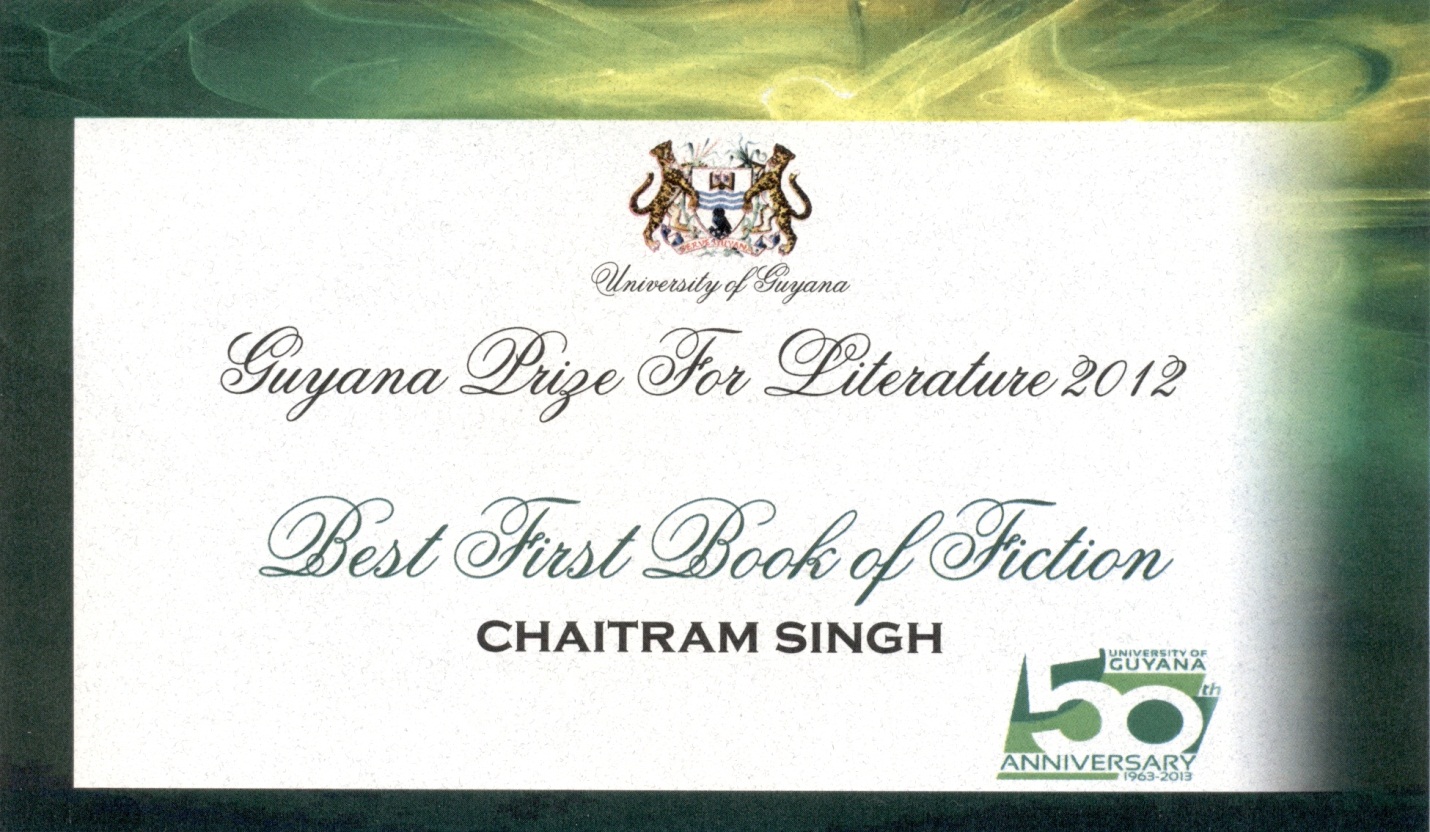
CHAITRAM Singh won the 2012 Guyana Prize for   Literature (awarded September 2013) in the category of Best First Book of   Fiction with his first novel, The Flour Convoy. Singh’s other entry, The February 23rd Coup, was shortlisted in the Category of Best Book   of Fiction.Below is a review by Frank Birbalsingh,Professor Emeritus.The February 23rd Coup is the second novel (after The Flour Convoy) by Chaitram Singh, a Guyanese graduate of   West Point – the American Military Academy – and former officer in the Guyana   Defense Force. Singh is also author of a non-fiction work, Politics in Plantation Society, (1988) and teaches political science at   Berry College, Georgia, in the USA.

Singh’s second novel focuses on the   dictatorial régime of Forbes Burnham, which, by the late 1970s, had, in the   words of one of the novel’s American characters, turned Guyana into “a   refugee encampment for people desperately seeking to flee the punishing   conditions of life created by the mismanagement and corruption of a   self-perpetuating clique.” (p.246)  While many Guyanese   characters express dissatisfaction with the Burnham régime by emigrating   abroad, The February 23rd Coup highlights an attempted military coup by   members of the Guyana Defense Force on February 23rd 1980. A successful coup   would be improbable, since it conflicts with historical accuracy; whereas   failure of the coup conveys the truth, as expressed by another American   official: “…suffering would continue, and every low-level official would   exact, without impunity, bribes and other favors from people too destitute to   pay, but too powerless to resist.” (p.246) Continue reading

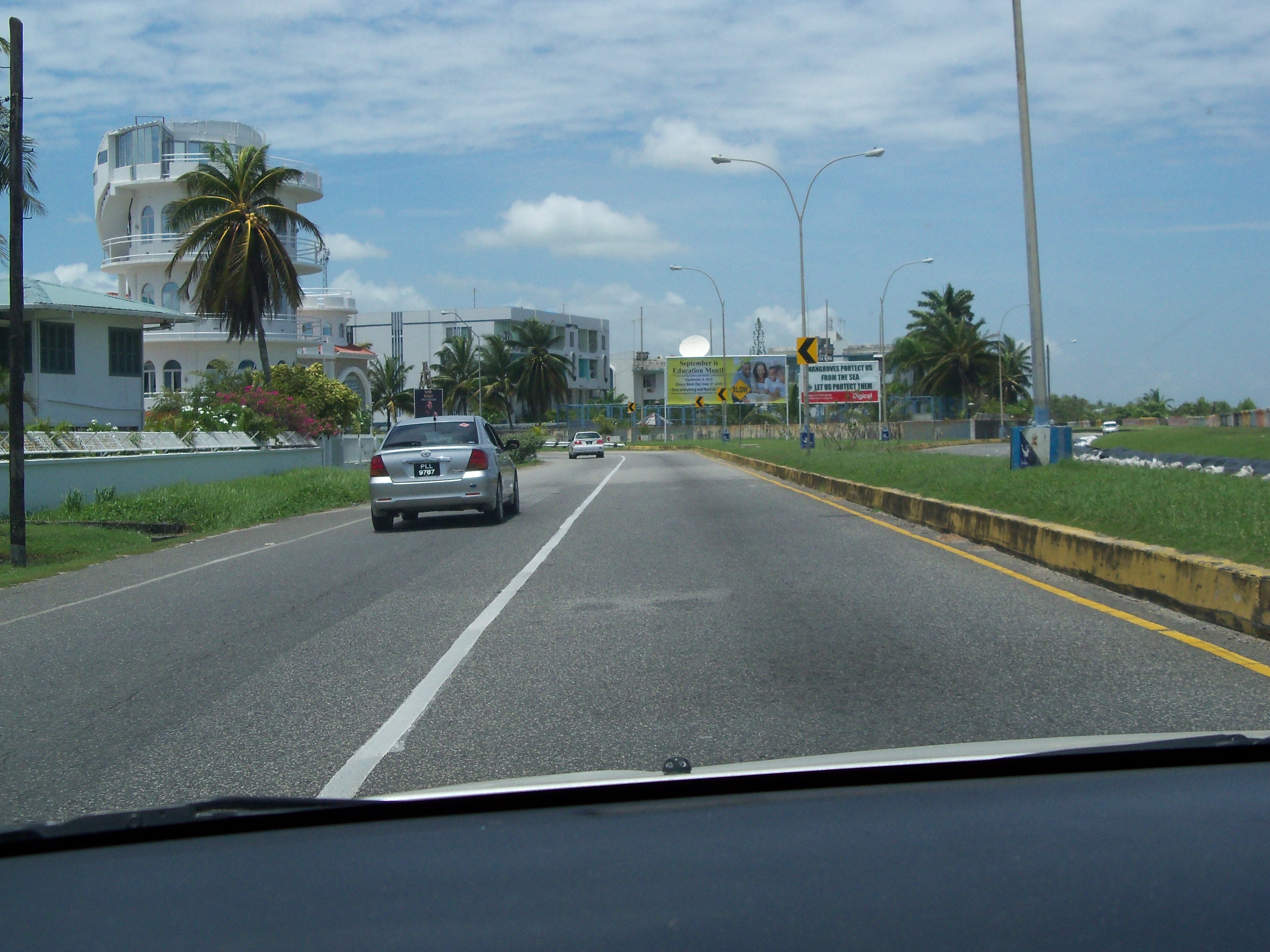
Scenes from Greater Georgetown

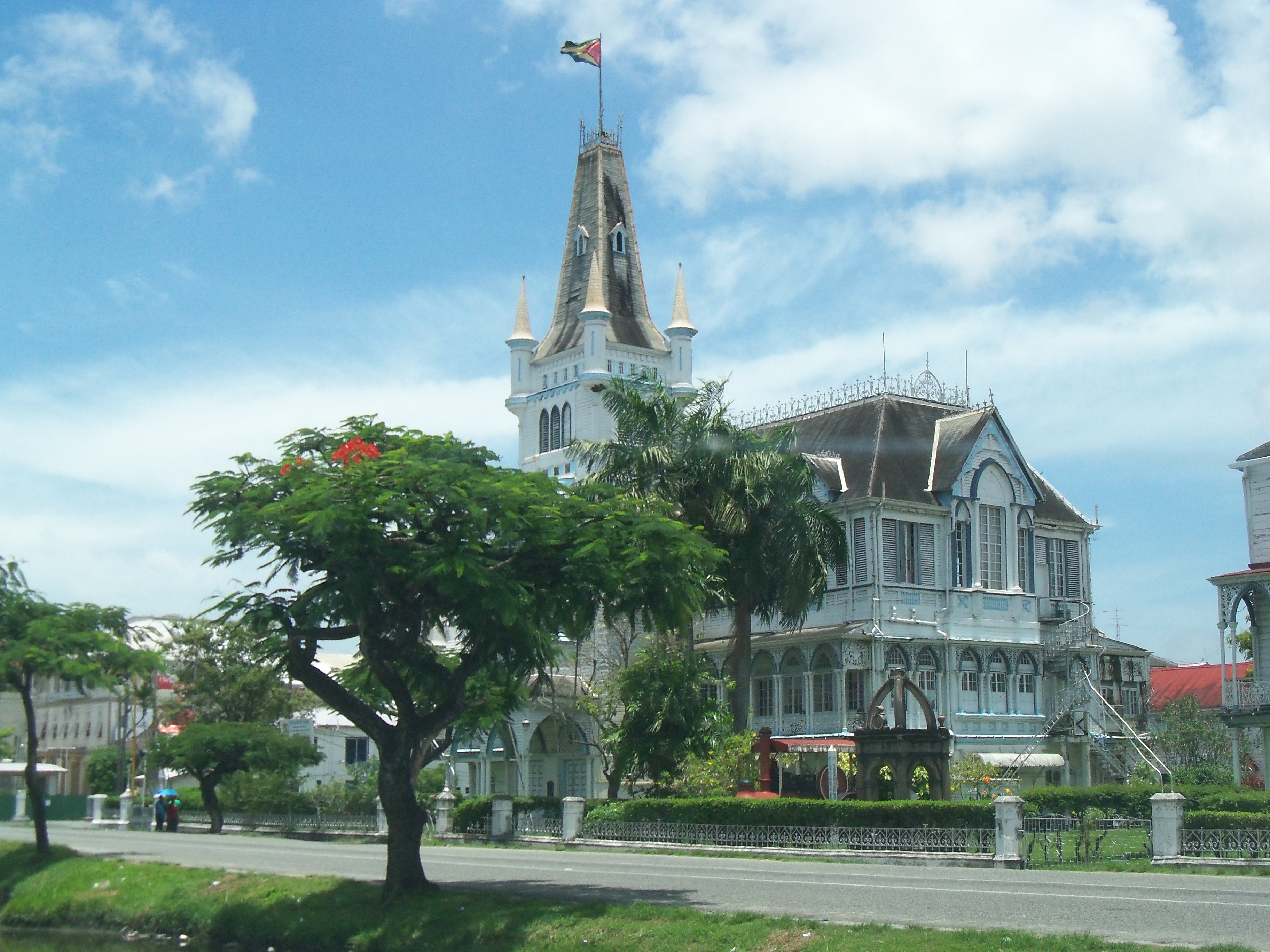
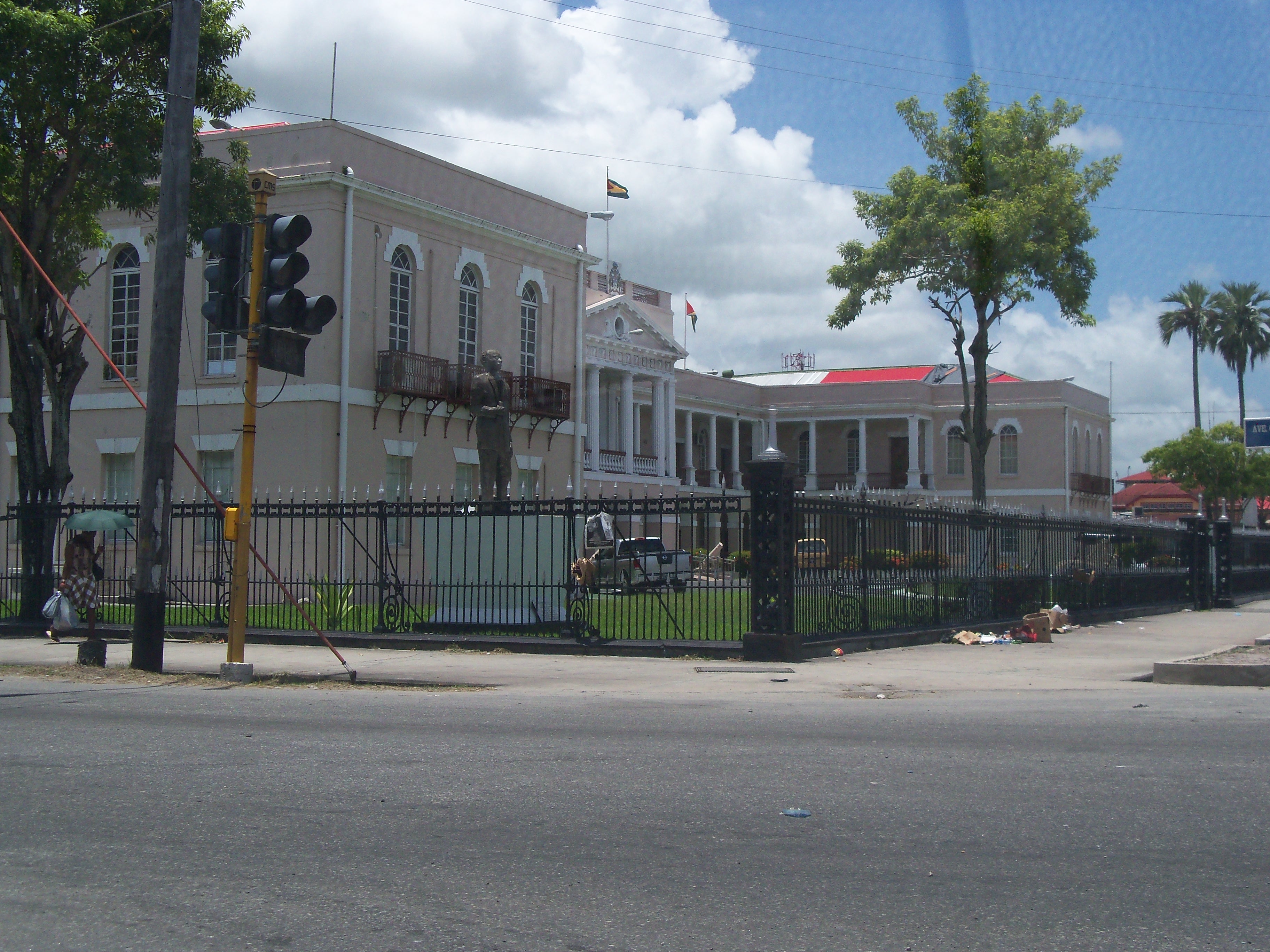
  100_2716100_2723 100_2726100_2727 100_2731100_2733

Scenes from Georgetown

Please click on image to enlarge:

100_2762100_2758100_2757

Book-Signing in Guyana

100_2871 100_2872 100_2874 100_2880 100_2881 100_2891 100_2894 100_2889

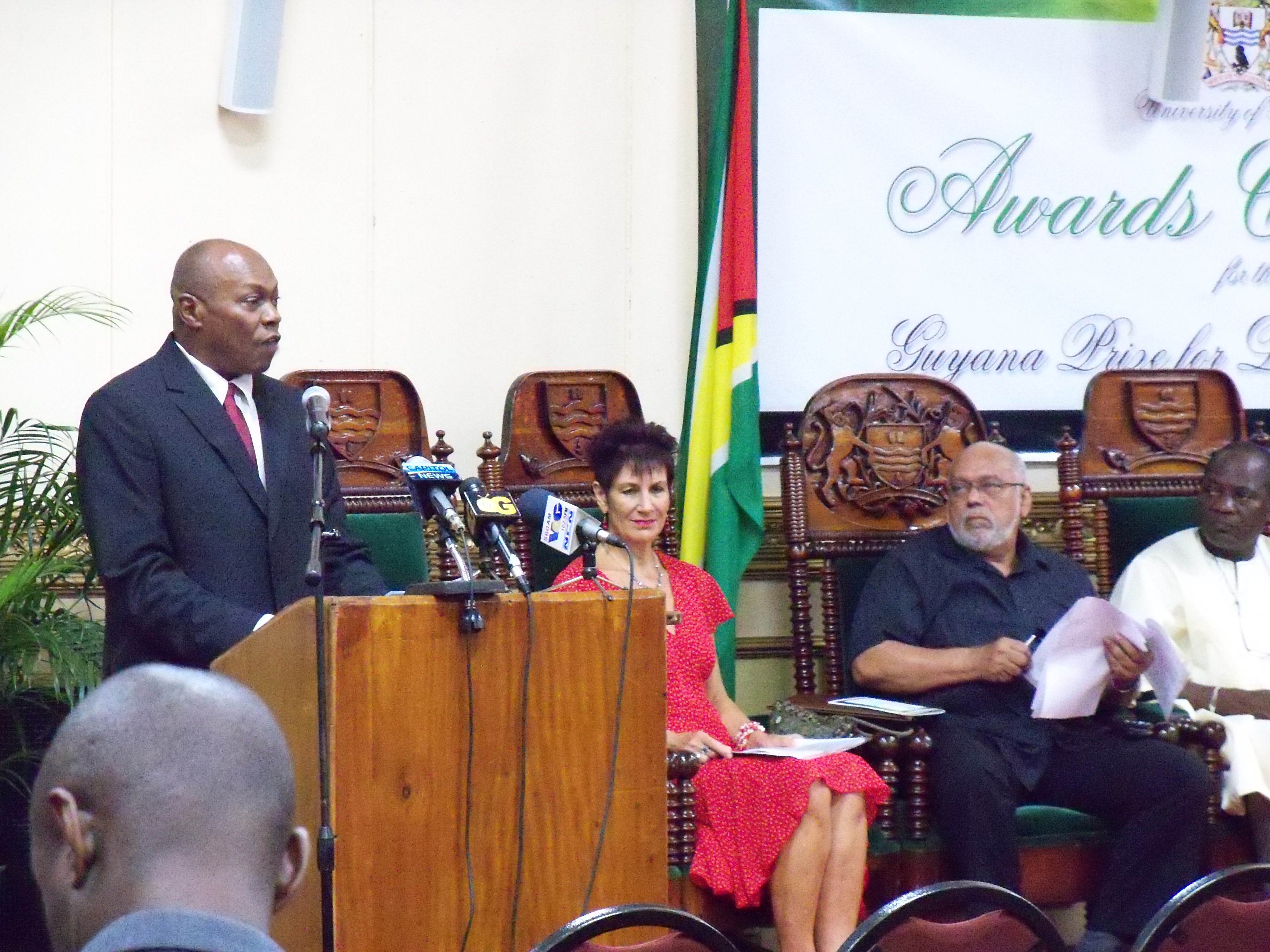
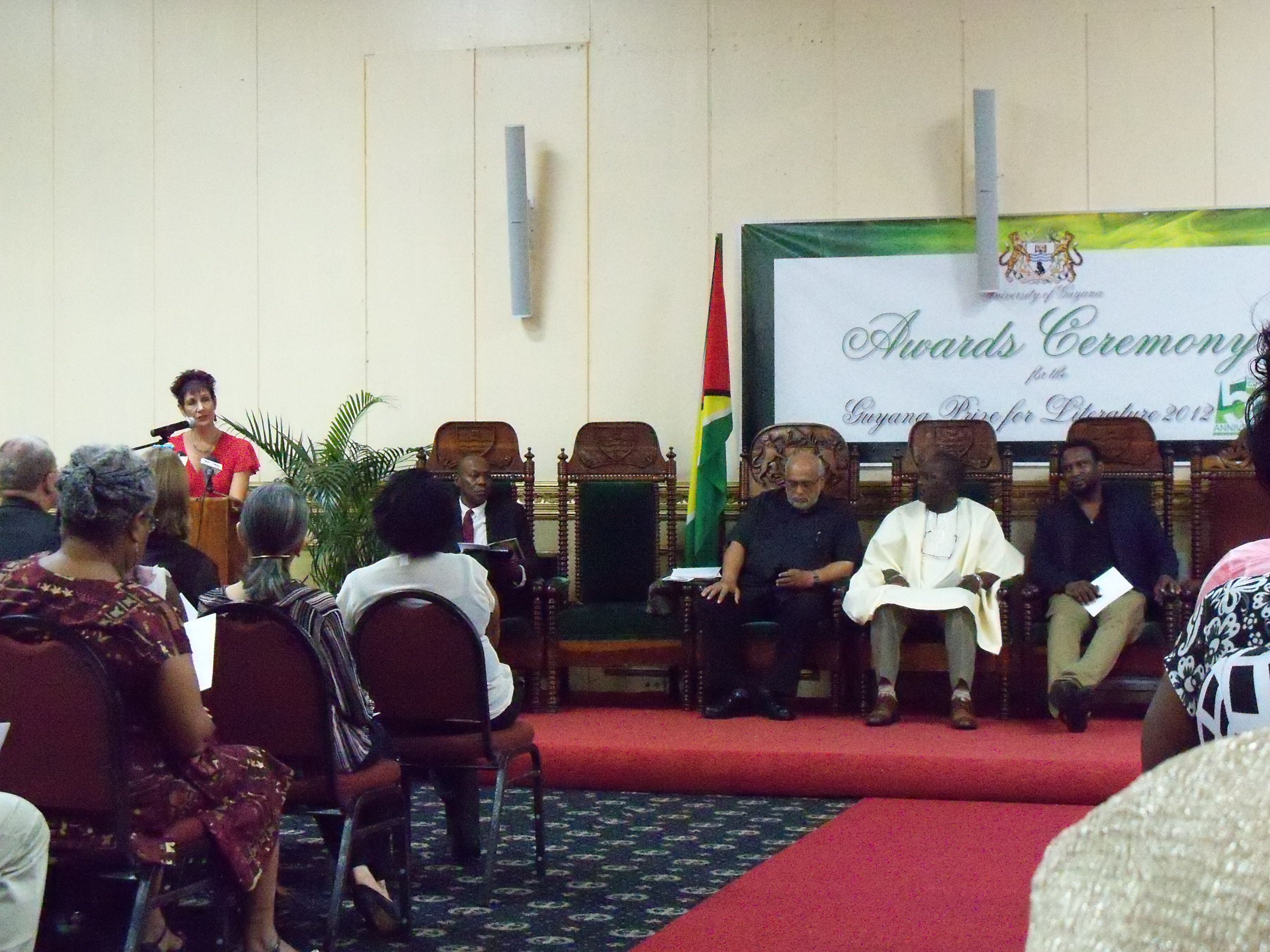
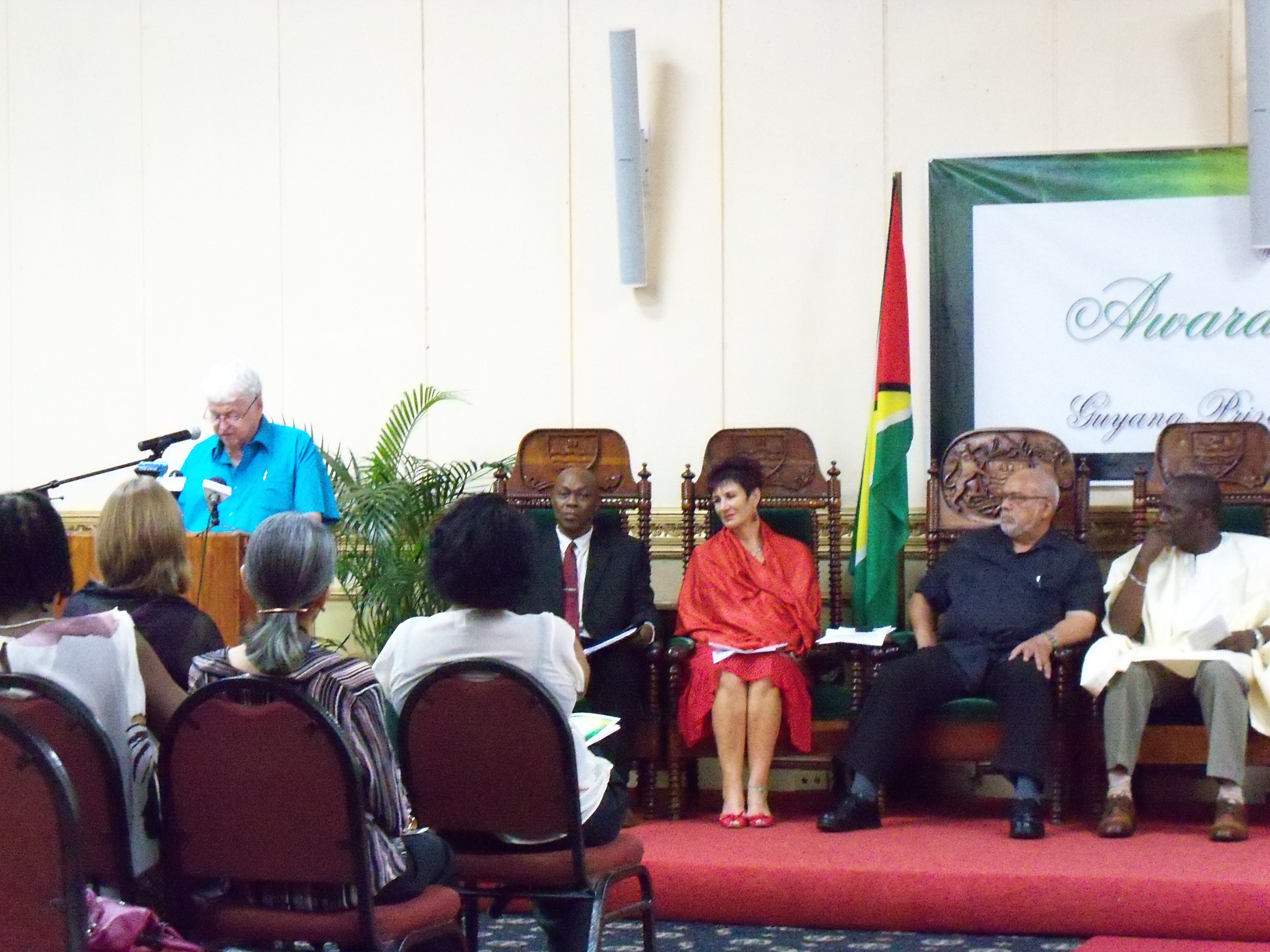
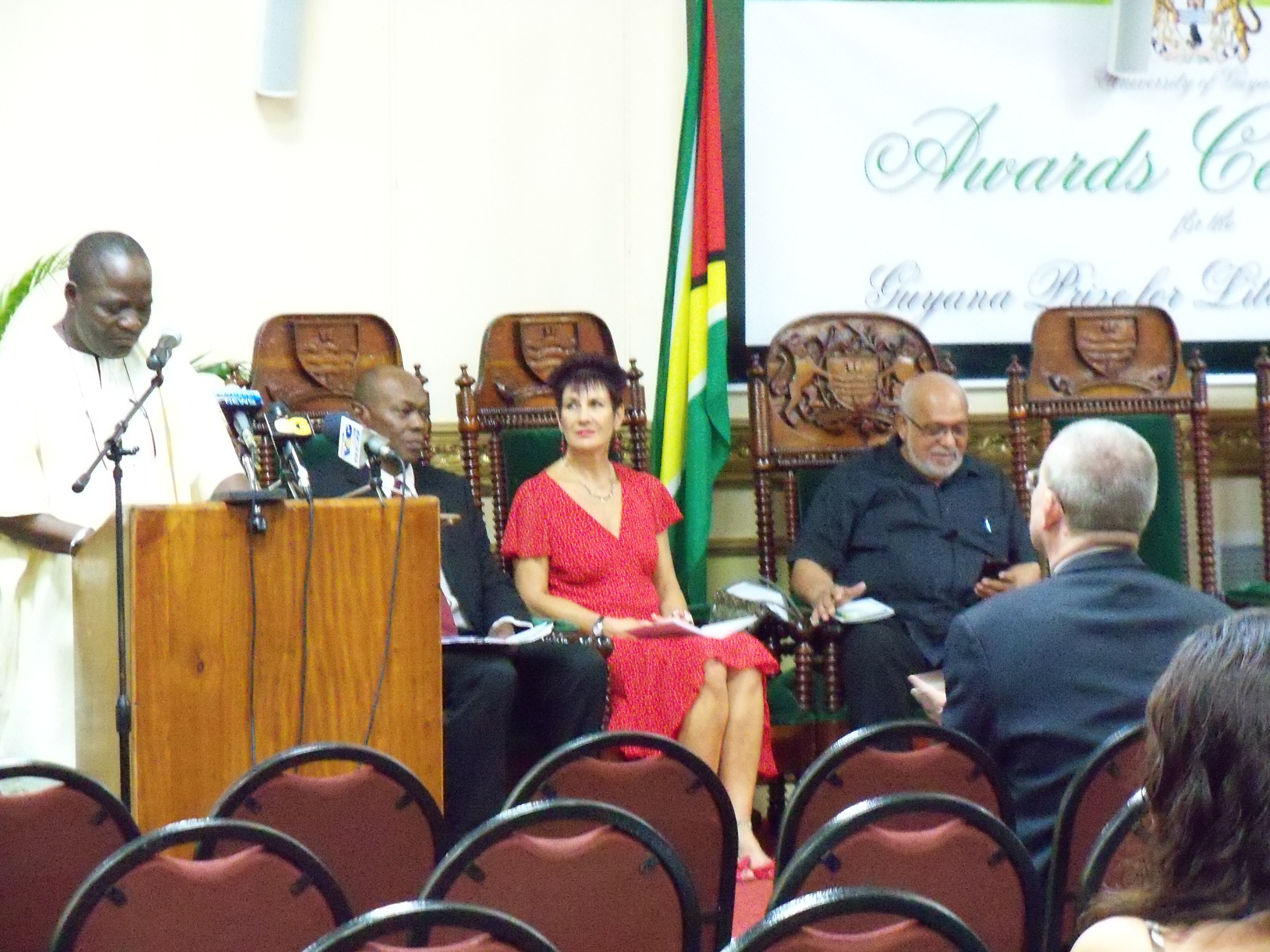
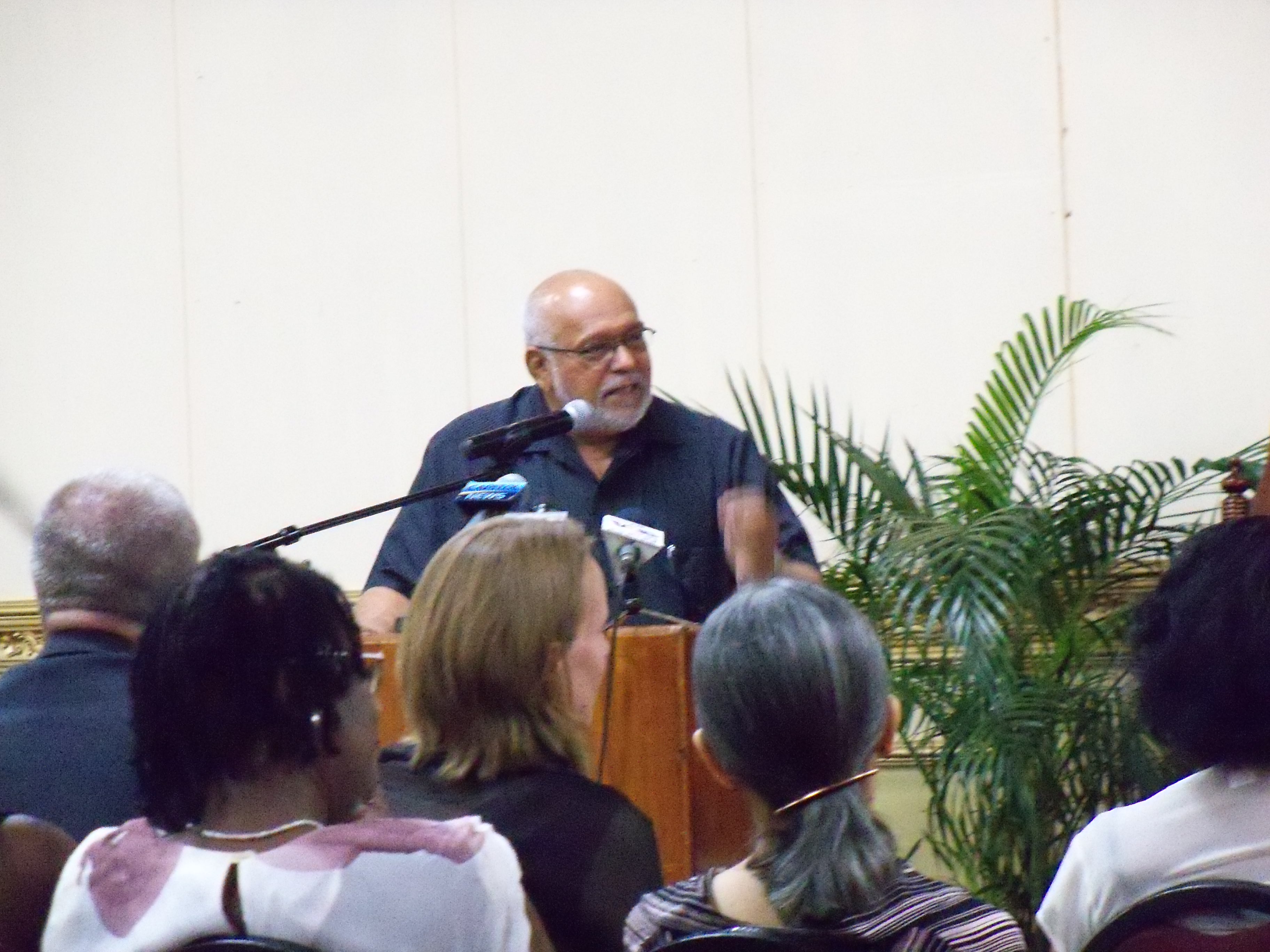
Photo Coverage of the 2012 Guyana Prize for Literature Ceremony

Photos Taken by Roopnandan Singh

100_2767100_2773100_2850100_2778Singh7100_2777

The Guyana Prize for Literature (2012)

Guyana Prize for Literature (2012)

Guyana Prize for Literature (2012)

9781462061990_COVER_FQA.indd

Guyana Prize for Literature 2012

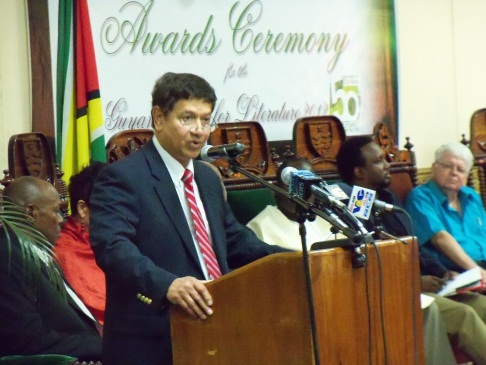
Acceptance Speech, Given on Behalf of the Prize Winners

Your Excellency President Ramotar, Vice-Chancellor, Members of the Diplomatic Corps, Dr. Jane Bryce, Members of the Prize Committee, Fellow Prize Winners, Ladies and Gentlemen:

Let me begin by congratulating the prize winners and saluting those who submitted their works for consideration but did not make the final cut.Singh1
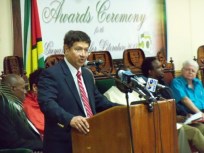
And now, on behalf of the Prize Winners, I would like to thank President Ramotar for his presence here and for his participation in this ceremony which, of course, makes it very special, but I would also like to thank him for the support his government has been giving to the arts, including support for literature in particular.  I hope, and indeed it is my earnest plea, that you will continue to maintain this support and keep it on a regular schedule, preferably an annual one.

To Dr. Bryce, Chief Judge of the competition, please accept our thanks to you and your committee.  As one, who has served on a book awards committee, I know that the work can be voluminous and time-consuming, even challenging, and the deliberation agonizing.  Please convey to the rest of your colleagues our thanks and appreciation for their work.

To the Prize Committee, for which Ms. Debra Lowe-Thorne  and Professor Al Creighton seemed to be its primary interlocutors, I wish to thank you all for the kindnesses and considerations extended to me and to the other prize winners and short-listed individuals.

And now, I am on the clock, as they say.  My handlers have given me a time limit and, since I am not running for political office, I am very glad to stick to their schedule.

One reader of my novel, The Flour Convoy, a very well-meaning individual, after confessing how much he had enjoyed the work, asked why I wrote about Guyana, as in why the bother?  Were there not more interesting subjects to write about?  What can one possibly learn from Guyana?  These, at least, were the inferences I drew from the original question and the expression accompanying it.

Singh2

The social circumstances of the encounter did not permit a lengthy engagement on the subject and, in any case, it was clear to me that the reading of my work was a concession made by someone who had not invested much time on reading beyond the narrowest requirements of the job and, therefore, was not in a position to fully appreciate the value and contribution of literature, regardless of the origin of the writer or the geographic locale that served as the focal point of the work. Continue reading